Understanding PLR Products
Private Label Rights, commonly called PLR, are licenses that allow you to purchase existing digital content and adapt it for your own business. Depending on the license, you may be able to edit the material, add your branding, sell it directly, include it in a membership, or use it as a foundation for a course. Typical PLR products include ebooks, articles, email sequences, worksheets, video lessons, graphics, templates, checklists, audio files, and software.
The main attraction is speed. Creating a useful digital product from a blank page requires research, planning, writing, design, editing, and delivery setup. A well-made PLR package gives you a starting structure, reducing production time while leaving room for your expertise and audience perspective. It can help a new entrepreneur launch an offer sooner, or help an established creator maintain a consistent publishing schedule.
PLR is not a shortcut to automatic sales. The license, quality, relevance, and transformation you apply determine the product’s value. Treat the material as raw business inventory rather than a finished solution. When you improve it thoughtfully, you can create an offer that feels purposeful, trustworthy, and genuinely helpful.
Why Businesses Use PLR
Digital businesses need regular assets to attract visitors, nurture prospects, serve customers, and generate revenue. PLR can support each stage without forcing the owner to produce every item independently. For example, an entrepreneur might adapt a research guide into a lead magnet, turn its exercises into a paid workbook, and use its key lessons as a short email course.
The practical benefit is leverage. One source file can become several connected assets, each designed for a different moment in the customer journey. This approach can reduce duplication and make your marketing more coherent. It also frees time for activities that PLR cannot replace, such as customer conversations, offer positioning, quality control, and relationship building.
PLR can be especially useful when you possess subject knowledge but lack time, confidence, or production experience. A prepared outline may help you organize your thinking. A template can prevent avoidable design problems. A sequence of draft emails can reveal a logical communication path. However, your judgment remains essential. Never present unsupported claims, outdated instructions, or borrowed opinions as your own expertise.
Common Types of PLR Products
Ebooks and Guides
Ebooks offer a convenient foundation for educational products. Before publishing, check the structure, update references, simplify dense sections, and add examples relevant to your audience. A general guide becomes more valuable when it addresses a defined reader, such as freelance designers, local retailers, or first-time course creators.
Articles and Blog Content
Article bundles can help maintain a publishing calendar, but unedited content often sounds broad or repetitive. Improve each article with an original introduction, practical illustrations, internal links, current information, and a clear next action. Combine related pieces into a thematic series instead of releasing disconnected posts.
Courses and Video Materials
Course PLR may include scripts, slides, lesson plans, or recordings. Examine every lesson for accuracy and continuity. If recordings feature another creator, confirm that the license permits your intended use and branding. Adding demonstrations, assignments, assessments, and support resources can transform a basic course into a stronger learning experience.
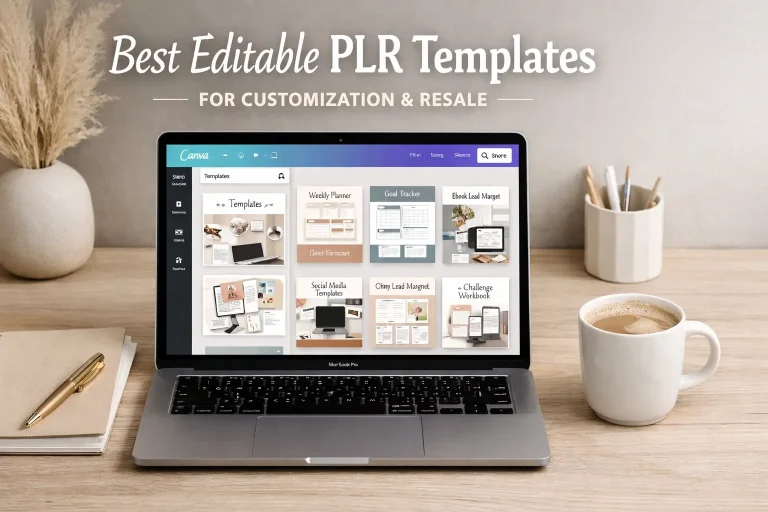
Templates, Worksheets, and Checklists
These products are useful because customers can apply them immediately. Improve usability through clear instructions, logical fields, accessible formatting, and realistic examples. A worksheet should help users make a decision or complete a task, not merely look attractive.
Graphics, Audio, and Software
Design elements and tools can strengthen an offer, yet licensing details deserve special attention. Confirm whether commercial use, modification, redistribution, client use, or membership access is allowed. Software may also require updates, technical support, or compatibility checks. Do not sell an asset you cannot explain or maintain responsibly.
How to Evaluate a PLR Package
Read the License First
The license is more important than the sales page. Identify exactly what you may edit, rename, bundle, resell, give away, or distribute. Look for restrictions on transferring source files, claiming authorship, selling resale rights, using trademarks, or placing content on public platforms. Save the license with your purchase records so you can verify permissions later.
Inspect Quality and Completeness
Review sample pages, file formats, editing requirements, and included bonuses. Ask whether the material has a coherent argument and whether it solves a recognizable problem. Poor grammar, inconsistent terminology, missing files, or vague advice can consume more time than creating a product yourself.
Check Audience Fit
A package can be well written and still be wrong for your market. Compare its subject, sophistication, tone, examples, and promised outcome with your customers’ needs. If substantial rewriting is required to make the content relevant, calculate that effort before buying.
Consider Commercial Potential
Look beyond the topic’s popularity. Ask whether your audience actively wants the result, whether competing offers already serve them well, and whether you can present a distinctive angle. A narrow, practical package may be easier to position than a broad collection covering everything.
How to Transform PLR into a Strong Offer
Start with a Clear Promise
Define the change your customer should experience. A weak promise says, “Learn about productivity.” A clearer promise says, “Create a weekly planning system that identifies priorities, protects focused work, and makes progress visible.” The promise should match what the material can responsibly deliver.
Reorganize the Content
Do not preserve the supplier’s sequence automatically. Arrange lessons according to your audience’s natural questions. Remove repetition, combine overlapping sections, and place foundational explanations before advanced tactics. A shorter, clearer product often creates more value than a longer one.
Add Original Insight
Your contribution can include frameworks, examples, case illustrations based on publicly verifiable information, exercises, decision rules, troubleshooting notes, or personal observations clearly presented as opinion. Explain why a recommendation matters and when it may not apply. This turns generic information into guided learning.
Update and Verify
Check dates, platform instructions, legal references, technical steps, and industry terminology. Replace claims that cannot be supported. If the content touches health, finance, law, safety, or regulated activity, use appropriate caution and encourage readers to seek qualified advice where necessary. Responsible editing protects both customers and your reputation.
Improve the Experience
Design a logical path from opening page to completed outcome. Include a quick-start section, progress markers, examples, summaries, and an implementation checklist. Use readable typography, descriptive headings, accessible contrast, and consistent navigation. A polished experience signals care before the customer evaluates every sentence.
Build a Product Ladder
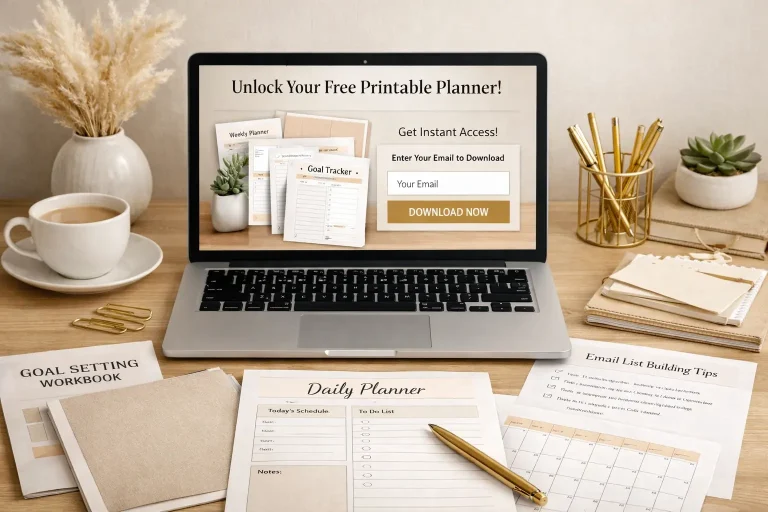
A single PLR purchase can support several offers without becoming repetitive. Create a free checklist to attract subscribers, a low-priced workbook for practical implementation, a core course for deeper instruction, and optional coaching or support for customers needing accountability. Each offer should have a distinct purpose and justify its price.
Branding and Positioning
Branding is more than adding a logo. Choose a specific audience, vocabulary, visual system, and point of view. If your business serves independent consultants, examples should reflect proposals, client meetings, capacity, and project delivery. If it serves parents, the language, schedules, and constraints should fit their reality. Relevance creates trust.
Positioning also requires a reason to choose your version. You might simplify an intimidating subject, focus on a particular industry, provide implementation tools, or connect several tactics into one workflow. State this difference plainly in the sales message. Avoid claiming that the product is unique if similar resources exist; explain instead how your interpretation improves usefulness.
Pricing and Packaging
Price should reflect the outcome, depth, support, format, and credibility of the offer, not merely the number of pages. A concise template that prevents expensive mistakes may be more valuable than a long ebook. Compare your product with alternatives customers might choose, including free information, competing products, hiring a professional, or doing nothing.
Packaging can increase clarity. Provide the main guide, an implementation workbook, a quick-reference checklist, and a practical bonus that supports the same goal. Avoid adding unrelated files simply to make the package appear larger. Too much material can overwhelm buyers and reduce completion.
Offer a straightforward explanation of what customers receive, how delivery works, and whether updates or support are included. Transparent expectations reduce refund requests and help buyers decide confidently.

Legal and Ethical Considerations
PLR rights vary, and ownership is not automatic. Purchasing a license does not necessarily grant copyright ownership or permission to reproduce every included element. Check images, fonts, quotations, brand names, statistics, music, and third-party links separately when required. Remove material whose rights cannot be verified.
Do not make false promises about results. A product can provide tools and guidance, but outcomes depend on circumstances, effort, decisions, and external conditions. Use specific, realistic language. If you edit professional content outside your qualifications, avoid presenting yourself as a credentialed authority.
Keep an internal record of purchase dates, license versions, edits, source files, and publication locations. This simple habit makes future audits and updates easier. If a supplier changes terms later, review whether existing uses remain permitted according to the original agreement and applicable law.
Marketing PLR Products
Marketing should connect a real problem with a credible next step. Begin with educational content that demonstrates understanding, such as a short tutorial, diagnostic checklist, or common-mistake guide. Then show how the paid product organizes the solution more completely.
Describe the transformation, contents, format, time commitment, and limitations. Include previews so buyers can assess clarity before purchasing. Testimonials may help when genuine and properly permissioned, but never invent them or imply guaranteed outcomes.
Use an email sequence that answers predictable questions: Who is this for? What problem does it solve? What is included? How is it different from free information? What happens after purchase? A useful sequence teaches while selling, rather than relying on pressure.
After launch, examine customer questions, refund reasons, completion difficulties, and support requests. These signals reveal where instructions need improvement. Update the product deliberately, record the changes, and communicate meaningful revisions to existing customers when appropriate.
Mistakes to Avoid
Publishing Without Editing
Unedited PLR may contain generic examples, outdated information, or another brand’s voice. Publishing it unchanged can weaken trust and create confusion. Read every section as if you were the customer, then revise for accuracy, relevance, and flow.

Buying Too Much
Collecting packages feels productive but often creates a crowded folder and no finished offer. Choose one customer problem, one suitable package, and one launch deadline. Finish and evaluate before purchasing more.
Ignoring Differentiation
A product that looks identical to widely available material has little persuasive power. Add a method, audience focus, implementation path, or support layer that makes your version meaningfully easier to use.
Overpromising Results
Aggressive claims may attract attention briefly but create disappointment and reputational damage. Describe controllable benefits, necessary effort, and appropriate limitations honestly.
Neglecting Delivery
Broken links, unclear access instructions, oversized files, and missing support information can ruin a strong product experience. Test the customer journey using a separate account or device before launch.
A Practical Launch Process
Choose a clearly defined audience and problem. Next, inspect several PLR options and select the package with the best combination of rights, quality, relevance, and editing potential. Create an outline for your version before rewriting. This prevents the source material from controlling your strategy.
Then revise the content, add original tools, verify claims, and apply consistent branding. Ask a trusted reviewer to identify confusing instructions or unsupported statements. Prepare the sales page, checkout details, delivery email, support policy, and any legal notices.
Test every link, download, form, and automated message. Launch to a manageable group first if possible. Invite specific feedback about clarity, usefulness, missing information, and ease of implementation. Improve the product before expanding promotion.
Finally, maintain a simple performance record. Track sales, questions, refunds, completion indicators, and repeat purchases where available. Use these observations to refine the offer rather than assuming that more advertising will solve a weak product.
Frequently Asked Questions
Can I sell PLR content under my name?
Often, the license permits rebranding, but permissions differ. Read the exact terms concerning authorship claims, attribution, modification, and resale. Edit the material substantially enough to represent your business accurately, and remove any references that imply a relationship you do not have.
Is PLR the same as resell rights?
No. Resell rights may allow you to sell a product, while PLR commonly provides broader permission to modify and brand it. Neither term has one universal meaning, so the written license controls. Never assume that one type of permission includes another.
How much should I edit?
There is no universal percentage. Edit until the product is accurate, audience-specific, coherent, and aligned with your promise. A small template may need modest adaptation, while an ebook or course may require extensive restructuring, new examples, and verification.
Can I use PLR as a lead magnet?
Yes, when the license allows free distribution and your version is useful. Shorten or reorganize the content, add a practical action, and connect it naturally to your paid offer. Avoid giving away files that include restricted resale rights or unverified third-party assets.
Should I buy cheap PLR?
Price alone reveals little. A low-cost package can be valuable if the license is clear and the material saves meaningful time. It can also become expensive if editing, legal review, design, or technical repair is extensive. Judge total effort and likely usefulness.
Can multiple businesses sell the same PLR?
Usually, PLR is nonexclusive unless the agreement states otherwise. Expect other buyers to use the source. Your differentiation should come from audience focus, transformation, examples, presentation, support, and implementation—not from assuming exclusivity.
How do I choose a profitable topic?
Start with a problem your audience recognizes and is motivated to solve. Review customer questions, support conversations, surveys, and your own market knowledge. Favor topics with a clear outcome and practical application, then validate interest before investing heavily in production.
What if the information becomes outdated?
Monitor the product after publication, especially when it discusses software, regulations, platforms, or rapidly changing practices. Date important updates, revise affected sections, and notify customers when the change materially affects use. A maintenance plan protects long-term trust.
Conclusion
PLR products can accelerate a digital business when they are treated as adaptable resources rather than instant, finished merchandise. Their greatest value lies in the time they save and the structure they provide, while the greatest risk is publishing generic or inaccurate material without thoughtful review.
Choose a focused audience, confirm the license, evaluate quality, and define a realistic customer outcome. Then reorganize the content, add original insight, verify every important claim, improve the learning experience, and package the result clearly. Market it honestly, test delivery, collect feedback, and update it as circumstances change.
Used this way, PLR can support lead generation, paid education, membership content, and product ladders without sacrificing professionalism. The persuasive advantage is not simply speed. It is the ability to turn a strong starting point into a relevant, trustworthy solution that customers can understand, apply, and recommend.