Make Money With PLR: A Practical Guide
Private label rights, commonly called PLR, can help you build sellable digital products without creating every page, lesson, graphic, or email from the ground up. The opportunity is real, but it is not automatic. PLR becomes profitable when you treat it as raw material, improve it substantially, package it for a defined audience, and market the finished asset responsibly.
PLR products may include ebooks, courses, checklists, templates, articles, prompts, graphics, audio, video, or software components. A license generally permits buyers to modify and sell the material, but permissions differ by provider. Some licenses allow rebranding and resale; others restrict resale rights, ownership claims, giveaways, or distribution through particular marketplaces. Read the license before using anything.
The most reliable path is simple: choose a specific customer problem, purchase relevant rights, transform the material, create a useful offer, and build a repeatable sales system. This guide explains how to do each part, including pricing, branding, promotion, customer service, risks, and common questions.
What PLR Means
PLR is a licensing arrangement for content or digital assets. Instead of commissioning an entirely original product, you acquire permission to adapt existing material. You might rewrite an ebook, reorganize a course, add worksheets, combine several resources, or use selected information inside a membership.
PLR is different from ordinary resale rights. Resale rights may permit you to sell a product while leaving its contents unchanged, but they may not allow editing or claiming authorship. PLR often provides broader adaptation rights, although each agreement controls the actual permissions. Never rely only on the label “PLR.” Examine the license language, permitted uses, prohibited uses, credit requirements, transfer rules, and expiration terms.
You also need to distinguish licensed content from public-domain material, stock assets, and copyrighted work. Public-domain material may be used under different rules. Stock graphics usually require compliance with the stock provider’s license. Copyrighted work without appropriate permission should not be repackaged. When uncertain, seek qualified legal advice rather than guessing.
Why PLR Can Be Profitable
The principal advantage is reduced production time. A well-selected PLR package can provide an outline, draft text, design elements, or teaching sequence. That leaves more time for research, editing, positioning, audience development, and promotion. Lower development effort can also make it practical to test several offers without committing to a large production budget.
PLR is especially useful for entrepreneurs who understand a market but are not specialists in every production skill. A subject expert can improve accuracy and examples, while a designer can create a professional layout. A coach can turn generic lessons into exercises, feedback tools, and implementation plans. The license supplies a starting point; your judgment creates the value.
Profit depends on demand, usefulness, differentiation, costs, and distribution. Buying a package does not guarantee sales. Generic content, weak design, inaccurate claims, and unclear marketing can produce refunds and damage trust. Think of PLR as an efficiency tool, not a shortcut around product quality.

Choose a Profitable Market
Start with a customer group that has a recognizable need. “Everyone interested in wellness” is too broad. “Remote workers who want a simple weekly meal-planning system” gives you a clearer audience, problem, promise, and promotional context. Narrow positioning helps you decide what to include and what to remove.
Look for problems that are frequent, meaningful, and suitable for a digital solution. Examples include organizing projects, learning a software workflow, preparing for an exam, creating social content, improving household budgeting habits, or planning a hobby. Avoid markets where your proposed guidance would require credentials you do not possess, especially when mistakes could cause medical, legal, or financial harm.
Study conversations in communities, reviews of competing products, support questions, and customer language. You are not trying to copy another seller. You are identifying recurring frustrations and desired outcomes. Ask whether buyers need information, a process, a template, accountability, or a combination. The answer should shape the product format.
Validate Before Buying
Write a one-sentence offer: “This product helps [specific audience] achieve [reasonable result] by using [method].” If the sentence sounds vague, the product will probably be vague. Test the idea with a small audience, an email survey, a free sample, or a presale only when you can clearly explain what buyers will receive and when.
Validation cannot eliminate uncertainty, but it can prevent an expensive mismatch between your interests and customer demand. Pay attention to questions, objections, and the language people use. Those details can later improve your title, sales page, examples, and bonuses.
Evaluate and Improve the PLR
After purchasing a package, do not publish it immediately. First, inventory every file and compare the materials with the license. Record what is included, what may be edited, whether attribution is required, and whether the seller imposes limitations on marketplaces, subscriptions, or giveaways.
Next, perform a content audit. Mark unsupported statements, outdated references, repetition, weak explanations, awkward phrasing, and missing steps. Check whether the content actually serves your chosen audience. A package created for beginners may be unsuitable for professionals, even when the subject appears identical.
Rewrite the structure before polishing sentences. Remove irrelevant sections, add a logical progression, and create a clear outcome for each chapter or lesson. Replace generic examples with realistic scenarios for your audience. Add worksheets, checklists, decision trees, scripts, demonstrations, or troubleshooting guidance where they help readers act.

Fact-check claims that could influence decisions. Use reliable, current references when appropriate, but do not add citations you have not verified. If a topic changes frequently, state limitations and encourage readers to confirm current requirements. Your responsibility is not merely to make content look original; it is to make it accurate and useful.
Create a Distinctive Product
Transformation should be visible in the finished asset. Develop a new title, cover, visual identity, table of contents, examples, exercises, and introduction. Explain who the product is for, what it does, and what it does not promise. A precise scope often feels more valuable than an oversized bundle.
You can create several formats from one licensed source. An ebook may become a short email course, a workbook, a webinar outline, a checklist, and a set of social posts. Do not mechanically duplicate paragraphs across formats. Adapt each version to its purpose. A checklist should support quick action; a course should teach sequence and reasoning; a sales page should communicate benefits without making unsupported promises.
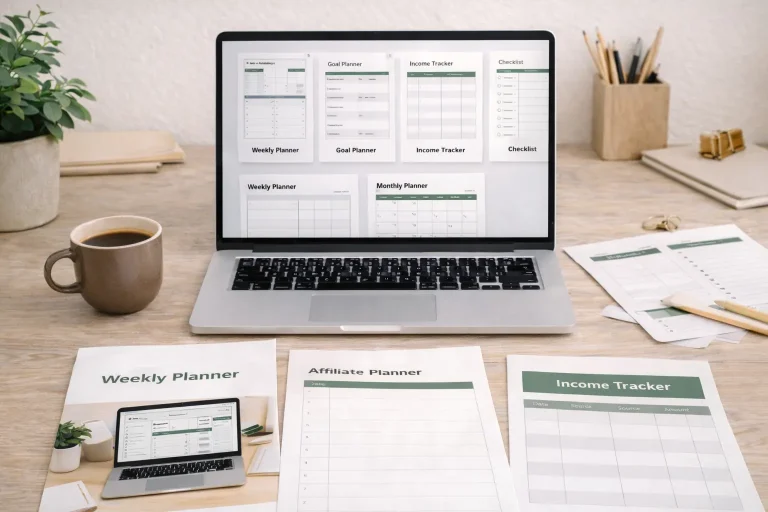
Consider adding original tools. A calculator, planning canvas, onboarding questionnaire, swipe file, implementation calendar, or progress tracker can help customers apply information. These additions also create a stronger distinction from other sellers who may have acquired the same PLR.
Design for usability. Use readable typography, consistent headings, accessible color contrast, descriptive file names, and clear instructions. Test downloads on common devices. If your product contains links, forms, or interactive elements, check them before launch. Professional presentation does not require extravagant graphics; it requires care.
Build an Offer and Pricing Strategy
A product is not the same as an offer. The product is the asset; the offer includes positioning, bonuses, support, delivery, guarantees, and purchase terms. Decide what problem the core product solves and what obstacles prevent customers from using it. A bonus should address a genuine obstacle, not merely increase file count.
Pricing should reflect usefulness, specificity, transformation, support, and your audience’s expectations. Do not select a price solely because a competitor uses it. A low price may attract impulse buyers but can create support demands and weak perceived value. A higher price may be justified by customization, implementation help, feedback, or a more complete system, but it also raises expectations.
Choose a delivery method that matches the product. A simple download may suit a short guide. A course platform can organize lessons and restrict access more effectively. A membership may work when content changes or ongoing support is central. Explain exactly what buyers receive, how access works, and whether updates are included.

Use an appropriate refund policy and communicate it plainly. Avoid guarantees that promise outcomes you cannot control. You can guarantee access, clarity, or a defined service experience, but customer results depend on effort, context, and many external factors.
Marketing PLR Products
Marketing should connect a specific problem with a credible solution. Begin with educational content that demonstrates your understanding: a tutorial, comparison, checklist, short video, case-based explanation, or useful sample. The goal is not to give away every page. It is to show your method and help potential buyers judge whether your offer fits.
Build an email list when possible. Offer a genuinely useful free resource related to the paid product, request permission to send messages, and make unsubscribing straightforward. A short sequence can introduce the problem, explain common mistakes, demonstrate part of the process, answer objections, and present the product. Write plainly and avoid pressure tactics.
Social platforms can support discovery, but do not depend on a single channel. Repurpose original insights into concise posts, demonstrations, diagrams, and questions. Participate in relevant communities according to their rules. Promotional messages that ignore context can harm credibility.
Search-focused content may bring lasting visitors when it answers specific questions well. Marketplace listings can provide access to existing buyers, but platform fees, formatting requirements, competition, and license restrictions matter. Partnerships and affiliates can extend reach, provided claims, disclosures, and commission arrangements are transparent.
Improve Conversions Responsibly
A sales page should identify the audience, problem, product, contents, practical benefits, format, price, delivery, and support. Include previews or sample pages when permitted. Explain limitations and requirements. Testimonials should be genuine and relevant; never invent customer experiences.
Track meaningful indicators such as visits, opt-ins, purchases, refunds, support questions, and completion rates. A low conversion rate may indicate weak positioning, poor traffic quality, unclear value, or an unsuitable audience. Change one important element at a time when testing, and interpret small results cautiously.
Customer Support and Business Operations
Support is part of the product experience. Prepare answers for access problems, file formats, updates, licensing questions, and basic usage. Create a clear contact process and response expectation. Many issues can be prevented with a welcome email, download instructions, and a short getting-started guide.

Keep organized records of licenses, invoices, source files, revisions, customer purchases, expenses, and promotional permissions. Separate original work from licensed material so you can identify what may be reused. Maintain backups and protect customer information. Follow applicable privacy, tax, consumer-protection, and email-marketing requirements; rules vary by location and business model.
Review products periodically. Broken links, obsolete screenshots, changing software interfaces, and outdated recommendations reduce value. An update log can show customers what changed and why. If you discontinue an offer, explain access and support arrangements honestly.
Common Mistakes to Avoid
The first mistake is publishing unchanged PLR. Buyers can often recognize generic material, and multiple sellers may offer nearly identical products. The second is selecting a package because it is cheap rather than because it serves a verified need. The third is using a broad title that promises an unrealistic transformation.
Other problems include ignoring the license, copying protected images, making health or income guarantees, hiding recurring charges, failing to test files, and collecting personal data without suitable notice. Some sellers create huge bundles that overwhelm customers instead of guiding them through a simple result.
Another mistake is treating promotion as an afterthought. A strong product still needs a clear audience and a route to discovery. Conversely, aggressive promotion cannot repair a product that does not deliver. Balance creation, validation, marketing, and support rather than spending all your time in one area.
A Repeatable Workflow
Use a documented workflow for each new offer. First, define the audience, problem, desired result, format, and boundaries. Second, inspect potential PLR and confirm the license. Third, outline your transformation before editing. Fourth, rewrite, fact-check, design, and add original tools. Fifth, test the product with a small group or internal review.
Sixth, prepare the offer, sales page, delivery process, support materials, and policies. Seventh, launch with educational promotion and monitor questions. Eighth, review sales, refunds, feedback, and completion behavior. Ninth, improve the product and marketing based on evidence. Finally, decide whether to expand, bundle, update, or retire the offer.
This sequence reduces wasted effort because it places decisions with the highest business impact early. It also creates reusable systems for research, editing, design, launch, and customer care.
Frequently Asked Questions
Is PLR legal?
PLR can be legally used when you follow the applicable license and other laws. Legality depends on the rights granted, the material supplied, and how you use it. A license does not authorize you to include third-party content that the provider did not have permission to distribute. Read the agreement and seek legal advice for complicated situations.
Can I sell PLR unchanged?
A license may permit unchanged resale, but doing so is usually a weak business strategy. Other buyers may sell the same material, and the product may not fit your audience. Editing, adding original value, and improving presentation generally create a more credible offer.
Can I claim authorship?
Do not make claims that conflict with the license or mislead customers about the origin of material. You may be allowed to brand and modify the product, but “created entirely from original research” would be inaccurate if it was not. Describe your contribution honestly.
What should I sell first?
Start with a small, focused product that solves one defined problem. A concise workbook or implementation guide can be easier to improve and support than a massive course. Choose a format your audience can realistically complete.
How much editing is enough?
There is no universal percentage or word count. The relevant question is whether the result is accurate, coherent, distinct, and genuinely useful. Reordering a few headings may not be meaningful transformation. New examples, exercises, explanations, design, research, and audience-specific guidance usually add more value.
Can PLR create passive income?
Digital delivery can reduce fulfillment work, but no product is completely passive. Marketing, customer support, updates, platform changes, refunds, and compliance still require attention. Treat passive income as a possibility, not a guarantee.
Should I use PLR in a course?
You can, if the license permits it and you adapt the material appropriately. Add teaching context, demonstrations, exercises, assessments, and a clear learning sequence. Confirm that every image, audio file, font, and embedded resource may be used in the course.
How do I compete with other PLR sellers?
Compete through specialization, quality, usability, trust, and support. Serve a narrower audience, use better examples, create stronger tools, explain limitations, and build relationships through useful education. Differentiation does not require exaggeration.
Conclusion
Making money with PLR is a product-development business, not a file-reselling trick. The strongest results come from choosing a real customer problem, checking rights carefully, transforming source material, designing for action, and communicating value honestly. Begin with one focused offer, validate the need, improve it beyond recognition, and build a simple system for delivery and support.
Measure what happens after launch. Customer questions reveal missing explanations, refunds reveal mismatched expectations, and completion behavior reveals whether the format works. Use those signals to revise intelligently rather than abandoning the concept too quickly or promoting it more aggressively.
PLR can shorten production time and help you experiment, but your judgment remains the central asset. When you add relevant expertise, original tools, careful editing, responsible marketing, and dependable service, licensed material can become a useful digital product and a sustainable foundation for a broader business.