
Understanding PLR Products
PLR products, or private label rights products, are digital materials that a buyer may legally customize, rebrand, and often resell according to the specific license attached to them. Common examples include ebooks, articles, email sequences, courses, checklists, templates, graphics, videos, audio files, software, and membership content. They can help entrepreneurs build an online business faster because the initial research, drafting, design, or production has already been completed.
The important qualification is that PLR is not a single universal permission. Every provider defines rights differently. One license may allow editing and resale, while another may restrict marketplace distribution, claim transfers, or the number of copies sold. Before using any package commercially, read its license carefully, keep a copy of the terms, and confirm that your planned use is permitted.
For a digital business owner, the strongest value of PLR is not simply saving time. It is gaining a workable starting point that can be improved with expertise, audience knowledge, and thoughtful presentation. A generic ebook rarely becomes a compelling business asset without revision. However, a carefully adapted resource can support lead generation, customer education, product development, and recurring revenue.
Why PLR Can Accelerate Business Growth
Creating every digital asset from an empty document requires time for planning, research, writing, editing, design, formatting, publishing, and promotion. PLR reduces the amount of original production required. That efficiency lets a solo entrepreneur test an offer, expand a content library, or serve a small audience without hiring a full team.
PLR can also reduce the risk of delaying a useful idea. Suppose you want to launch a beginner course about home organization. A suitable licensed workbook might provide chapter themes, exercises, and an initial structure. You can then add your method, examples, photographs, worksheets, and teaching style. The result is not merely a resold file; it becomes a clearer expression of your own value.
Another advantage is consistency. Businesses need supporting materials around a central offer. A course may require welcome emails, quick-start guides, social posts, checklists, and frequently asked questions. Related PLR assets can provide a foundation for this ecosystem, helping customers receive a coherent experience instead of disconnected content.
PLR is especially useful for validating demand. Rather than spending months producing a large product before finding out whether people want it, you can adapt a smaller resource, present it honestly, gather feedback, and decide whether deeper development makes commercial sense. This approach does not eliminate business risk, but it can make experimentation more manageable.
Main Types of PLR Products
Written Materials
Ebooks, reports, blog articles, newsletters, worksheets, and swipe files are among the most common PLR formats. Written content is flexible: you can turn an ebook into a short course, divide articles into an email series, or combine worksheets into a practical workbook. Editing is essential because tone, examples, terminology, and assumptions may not match your audience.
Courses and Educational Content
PLR courses may include lessons, slides, scripts, quizzes, and resource lists. They can help consultants, coaches, and membership owners organize instruction. However, course buyers expect clarity and support, not just information. Add learning objectives, demonstrations, practice activities, explanations of difficult points, and a logical progression. If you are not qualified to teach a specialized or regulated subject, do not present inherited material as professional advice.
Design Assets
Templates, presentation slides, social graphics, icons, and printable planners can save considerable design time. Check whether the license covers commercial client work, editable redistribution, and use in products that customers can download. Also verify fonts, photographs, illustrations, and other embedded components, since a PLR seller cannot always transfer rights that belong to third parties.
Video, Audio, and Software
Video lessons, podcasts, voiceovers, scripts, plugins, and small applications may offer strong perceived value, but they require closer inspection. Assess production quality, file compatibility, accessibility, security, updates, and technical support. Software rights can be particularly limited. A license might permit use in your business but prohibit modification, sublicensing, or resale. Never assume that an attractive sales page explains every restriction.
How to Choose Quality PLR
Start with the license, not the sales claim. Look for plain language describing permitted actions: editing, branding, bundling, resale, giveaway use, membership delivery, client use, and transfer of rights. Identify prohibited actions as well. If terms are vague, contradictory, or unavailable before purchase, treat that uncertainty as a serious warning.
Next, evaluate originality and usefulness. Search distinctive phrases from a sample if possible, inspect screenshots, and consider whether the material appears current. A low price does not make a product valuable if thousands of sellers received identical files. Ask whether you can add enough insight, examples, and presentation quality to make the resource meaningfully different.
Examine the provider’s communication and delivery practices. A professional seller should identify the included files, explain access, state refund conditions where applicable, and provide clear licensing documentation. Avoid claims that imply guaranteed income, effortless success, or exclusive ownership unless the agreement genuinely supports those claims.
Match the product to a specific customer problem. A broad topic such as “wellness” is less actionable than a resource helping remote workers plan simple, affordable lunches. Specificity makes customization easier and improves the connection between the product, your message, and your promotional channels.

Finally, calculate the total work involved. A package may require rewriting, visual redesign, fact checking, recording, formatting, customer support, and technical setup. PLR saves production time only when the starting material is sound and the remaining work fits your capacity.
A Practical Customization Process
1. Define the Customer and Outcome
Before opening the files, write a short description of the intended customer and the result you want to help them achieve. This decision guides every later edit. A beginner needs definitions and reassurance; an experienced buyer may prefer shortcuts, comparisons, and implementation details. A clear outcome also prevents the product from becoming a collection of unrelated information.
2. Audit the Original Material
Read or watch everything before publishing anything. Mark unsupported claims, dated references, confusing sections, repetitive passages, and gaps. Separate useful structure from wording that should be replaced. Create a revision map showing what you will retain, rewrite, add, remove, or verify.
3. Add Original Expertise
Your strongest contribution is interpretation. Include your framework, examples, decisions, checklists, case scenarios, diagrams, exercises, or demonstrations. Explain why a recommendation matters and when it may not work. Practical context transforms passive content into a resource people can apply.
4. Rebrand Thoughtfully
Update the title, cover, colors, typography, introduction, calls to action, and examples so the resource belongs naturally within your business. Branding should support comprehension, not merely decorate pages. Use consistent terms across the product, website, emails, and customer instructions.
5. Edit for Accuracy and Readability
Fact check claims that could influence health, safety, finance, legal decisions, or other high-impact choices. Remove guarantees and qualify uncertainty. Use headings, short paragraphs, tables, and action steps where they improve navigation. Test links, downloads, videos, forms, and mobile display before release.
6. Build a Useful Delivery Experience
Decide how customers will access the material. A simple download may suit a short checklist, while a course platform may better support lessons and progress. Include a welcome message, usage instructions, support contact, and a clear next step. Accessibility matters: provide readable contrast, descriptive file names, captions where appropriate, and editable formats when promised.
Ways to Use PLR in a Digital Business
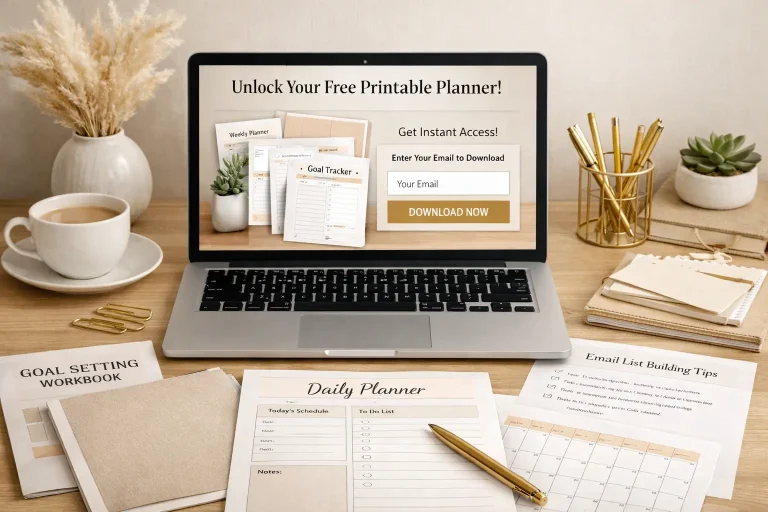
A lead magnet is one of the simplest applications. Adapt a checklist, guide, or short report to solve a narrow problem, then offer it in exchange for permission to contact interested prospects. The resource should provide genuine value while naturally introducing a related paid service or product. Do not hide aggressive sales language inside an item promoted as a neutral free guide.
PLR can support a low-cost introductory offer. A revised workbook, template collection, or mini-course can help customers experience your teaching approach before they consider a larger program. Keep the offer focused, state its limitations, and make the purchase decision clear.
For memberships, PLR may supply recurring prompts, monthly worksheets, discussion topics, or lesson foundations. It should not become a stream of visibly recycled material. Add current commentary, community activities, member questions, and fresh examples so subscribers receive continuing value.
Service providers can use licensed templates internally or as client deliverables, provided the license allows that use. Customize every client-facing asset, remove irrelevant instructions, and avoid representing generic material as a bespoke strategic analysis unless you have actually performed that analysis.
PLR can also improve an existing product. A complementary checklist may reduce customer confusion, while a concise quick-start guide can lower support requests. The best use is often not a standalone resale but an intentionally designed component within a broader customer journey.
Legal, Ethical, and Quality Considerations
Private label rights are contractual permissions, not a guarantee that every included element is legally clean. Read the agreement, retain purchase records, and investigate stock images, trademarks, quotations, music, software libraries, and other third-party materials. If the license is difficult to interpret, seek qualified legal advice rather than guessing.
Do not imply that you personally conducted research, wrote every original passage, or achieved results you cannot substantiate. Honest positioning builds stronger relationships than inflated claims. You may describe a resource as adapted, curated, or enhanced when that accurately reflects your contribution.

Avoid copying another seller’s branding, testimonials, product names, distinctive layout, or promotional wording. Even when the underlying PLR file is licensed, surrounding marketing assets may create confusion or infringe rights. Create your own identity and explain what customers will receive.
Consider whether the material could cause harm if misunderstood. Add appropriate disclaimers, encourage professional guidance where necessary, and remove instructions that are unsafe, obsolete, or outside your competence. Quality control is part of the product, not an optional cosmetic step.
Common Mistakes to Avoid
The first mistake is publishing unchanged files. Customers can often recognize generic wording, inconsistent formatting, and irrelevant examples. Minimal editing may produce a quick listing, but it rarely creates durable trust or differentiation.
The second is ignoring license details. Reselling rights may not include giveaway rights, client use, bundle use, or transfer rights. Keep a simple rights checklist for every asset and review it before each new distribution channel.
The third is buying too much material. Large bundles appear economical, yet unused files consume attention and create administrative clutter. Choose products connected to a defined offer, audience, or experiment.
The fourth is prioritizing appearance over usefulness. A polished cover cannot compensate for weak organization, missing instructions, or inaccurate content. Design should clarify the customer’s path through the material.
The fifth is making unsupported income promises. PLR can improve efficiency, but success depends on positioning, quality, audience access, pricing, customer service, and execution. Present it as a tool, not a shortcut that guarantees results.
Frequently Asked Questions
Can I claim full authorship of a PLR product?
That depends on the license and on how much you changed. Some licenses permit rebranding without requiring attribution, but ethical communication still matters. Do not claim personal research, credentials, or experiences that are not true. Describe your actual contribution accurately.
Is PLR the same as copyright ownership?
No. PLR usually grants contractual usage rights; it does not automatically transfer copyright or give you unrestricted control. The agreement may specify which actions are allowed and whether copyright registration, resale of rights, or exclusive claims are prohibited.
How much should I edit?
Edit enough to make the material accurate, relevant, distinctive, and aligned with your promise. There is no universal percentage. A short template may need modest adaptation, while a technical course could require extensive rewriting, verification, and original instruction.
Can PLR products be used as lead magnets?
Often yes, if the license permits giveaway or free distribution. Confirm that email delivery, website downloads, advertising, and inclusion in a funnel are allowed. Add genuine value and explain any important limitations.
Where should I sell adapted PLR?
You can consider your own website, a course platform, a membership area, or a marketplace, but permission varies by license and platform rules. Check file requirements, refund obligations, prohibited categories, and whether marketplace resale is expressly allowed.
How can I make a PLR product stand out?
Narrow the audience, solve a specific problem, add original examples, improve the structure, create a useful implementation plan, and connect the resource to your broader expertise. Strong positioning usually matters more than adding decorative pages.
Are PLR products suitable for beginners?
They can be, particularly for learning publishing workflows and testing an offer. Beginners should start with one manageable asset, study the license, and focus on customer usefulness rather than building a large catalog immediately.
Conclusion
PLR products can help a digital business move from ideas to useful offers with less initial production effort. Their value depends on what you do after purchase: choosing responsibly, verifying rights, adapting deeply, adding real expertise, and delivering a clear customer experience. Used carelessly, PLR creates generic content, legal uncertainty, and disappointed buyers. Used strategically, it can support lead generation, education, product testing, memberships, and service delivery.
Begin with one specific audience problem and one suitable licensed resource. Audit the material, plan meaningful improvements, verify every permission, and test the finished product before promotion. Measure practical signals such as downloads, engagement, completion, questions, refunds, and repeat interest rather than assuming a launch is successful because the product exists.
The persuasive case for PLR is therefore practical, not magical. It gives you a foundation so your time can shift toward judgment, relevance, teaching, design, and relationships. Those contributions are what turn a purchased file into a credible business asset. When your adaptation genuinely helps people take a useful next step, PLR becomes more than a shortcut: it becomes a disciplined method for developing and expanding a sustainable digital product portfolio.